BLOG:
This week in
earth environmental science:
We had a long 4-day
holiday so we arrived on school on Tuesday. The entire student body was
refreshed and ready for a week of learning!
The week started
with a discussion about what would happen if the earth was not tilted on its
axis? The class produced some
enthusiastic answers. Soon we began with our lesson for that day - an
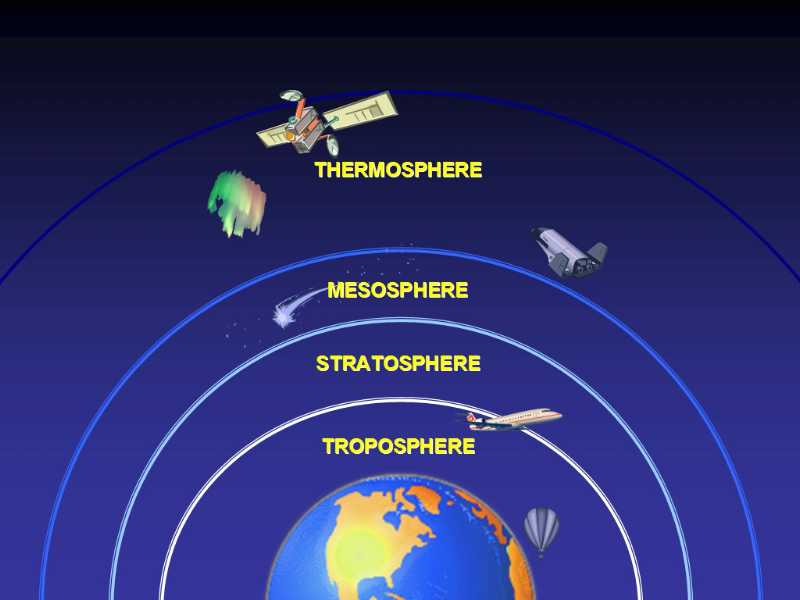
overview/summary of the layers of the atmosphere and their significance. They
are as follows:
Troposphere:
where weather occurs, most dense
Stratosphere:
contains UV blocking Ozone layer
Mesosphere: second
layer - less dense then the stratosphere
Thermosphere:
blocks x-ray radiation, where the aurora light occur
Exosphere: least
dense layer
On Wednesday we began by learning about the
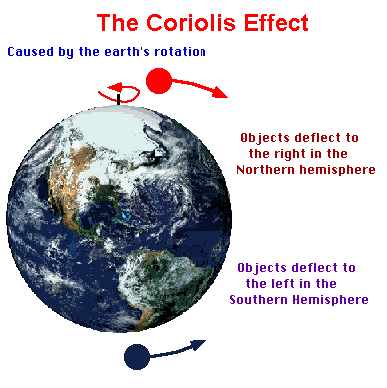
corealis winds: Coriolis
effect is a deflection of moving
objects when they are viewed in a rotating reference frame. We then did a lab to show the class the effects
of the winds: we used a turntable and markers to draw the trajectories of the
“lines across the globe”, it was fun and exciting! We also began talking bout “el Niño and La Nina”
a result of the corealis effect they are changes in the direction of currents/wind.
We saw how gyers (large pacific ocean currents affect the temperature of water,
and upwelling: a phenomenon that allows
nutrient rich water to flow from the bottom of the ocean to the surface (good
for fish) we also saw the effects that El Niño and la Nina had on countries and
people.
On Thursday we watched a video
describing the process of rain shadow. Most of the class time was spent by
learning about the similarities of different organism in various biomes,
despite may of the organism not being genetically related they all seemed to
form similar adaptations to survive their special climates.

Finally at the end of the week
we discussed and learned about ecosystems evenness and ecosystem richness. More
specifically we learned how to calculate the richness of an area by using
Shannon’s index… a long and complicated formula. Thus ends another productive week in the
classroom of Mr. Kite! My horizon and knowledge-sphere has certainly gone to
the next level J

Citations:
https://blogger.googleusercontent.com/img/b/R29vZ2xl/AVvXsEgGwLxXmR0a3DKBLwn2TaCIBkKcUp4qNUdWW3kdDfCI3M_rBuAxztB2AEocj-mxsydtIAiCwQP_Eab8gbp49XF31ZycRjO0vrIsEuLpVzuk14T0OA_ArSYi7r9jzhmwzqbMDaVmwMuaxhg/s1600/enlightenment1.jpg
http://www.earthlyissues.com/images/gaspcor.gif
http://www.vtaide.com/png/images/atmosphere.jpg

Citations:
https://blogger.googleusercontent.com/img/b/R29vZ2xl/AVvXsEgGwLxXmR0a3DKBLwn2TaCIBkKcUp4qNUdWW3kdDfCI3M_rBuAxztB2AEocj-mxsydtIAiCwQP_Eab8gbp49XF31ZycRjO0vrIsEuLpVzuk14T0OA_ArSYi7r9jzhmwzqbMDaVmwMuaxhg/s1600/enlightenment1.jpg
http://www.earthlyissues.com/images/gaspcor.gif
http://www.vtaide.com/png/images/atmosphere.jpg
